
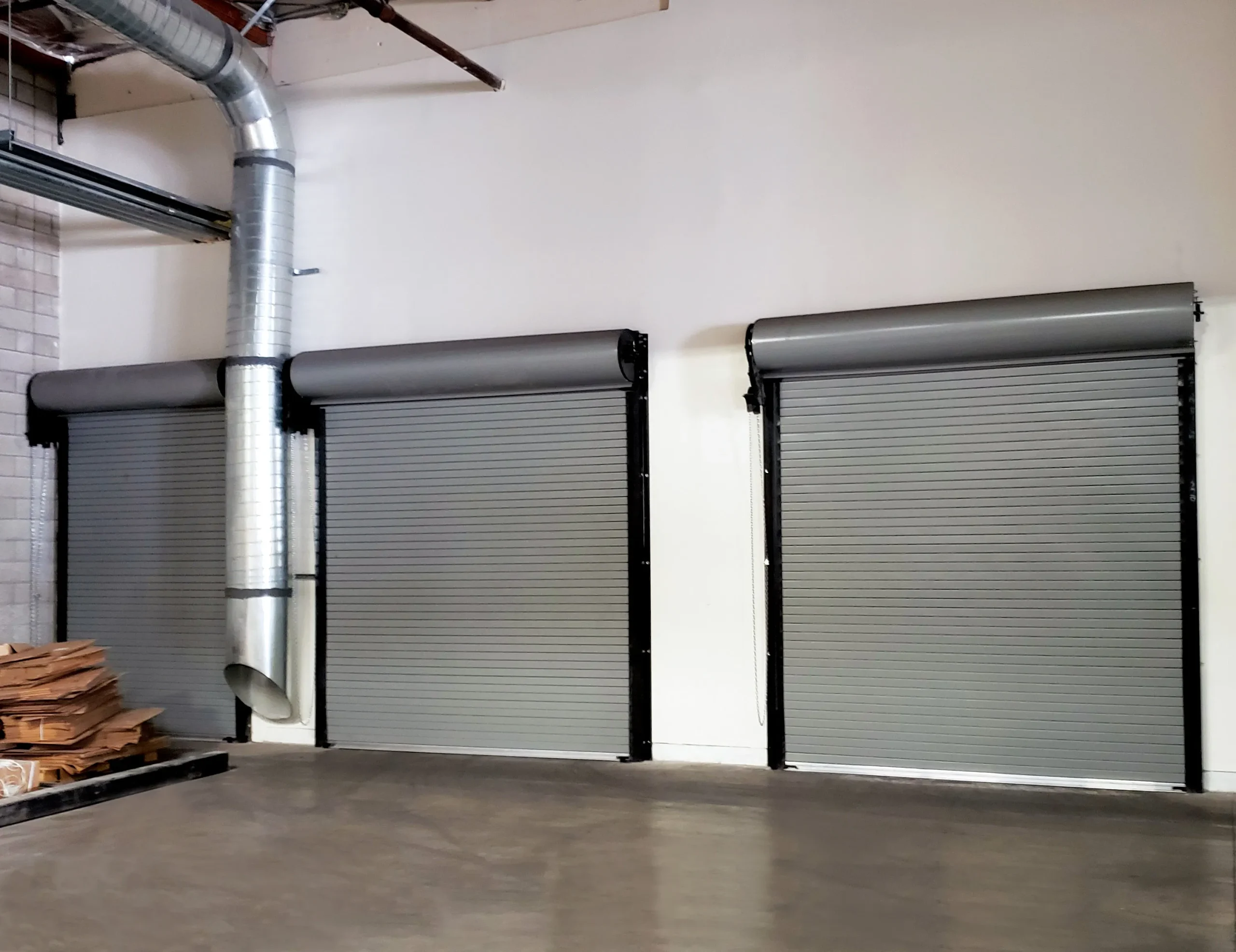
Most single commercial entry doors are about 36 inches (3 feet) wide, while double doors usually run 72 inches (6 feet) wide combined. Commercial overhead and roll-up doors are much larger, often starting at 8 feet wide and reaching 16 feet or more for loading bays. So when someone asks how wide is a standard commercial door, the honest answer is that it depends on the door’s job, but 36 inches is the baseline most businesses start from.
For business owners in San Leandro, CA, getting commercial door width right is not just a detail. It affects safety inspections, daily foot traffic, deliveries, and whether the building passes code. The right size also makes future commercial garage door installation smoother and keeps commercial garage door repair simpler down the road. This guide breaks down standard commercial door sizes in plain language, shows what to check, and points out the mistakes that lead to costly do-overs.
The Quick Answer: How Wide Is a Standard Commercial Door?
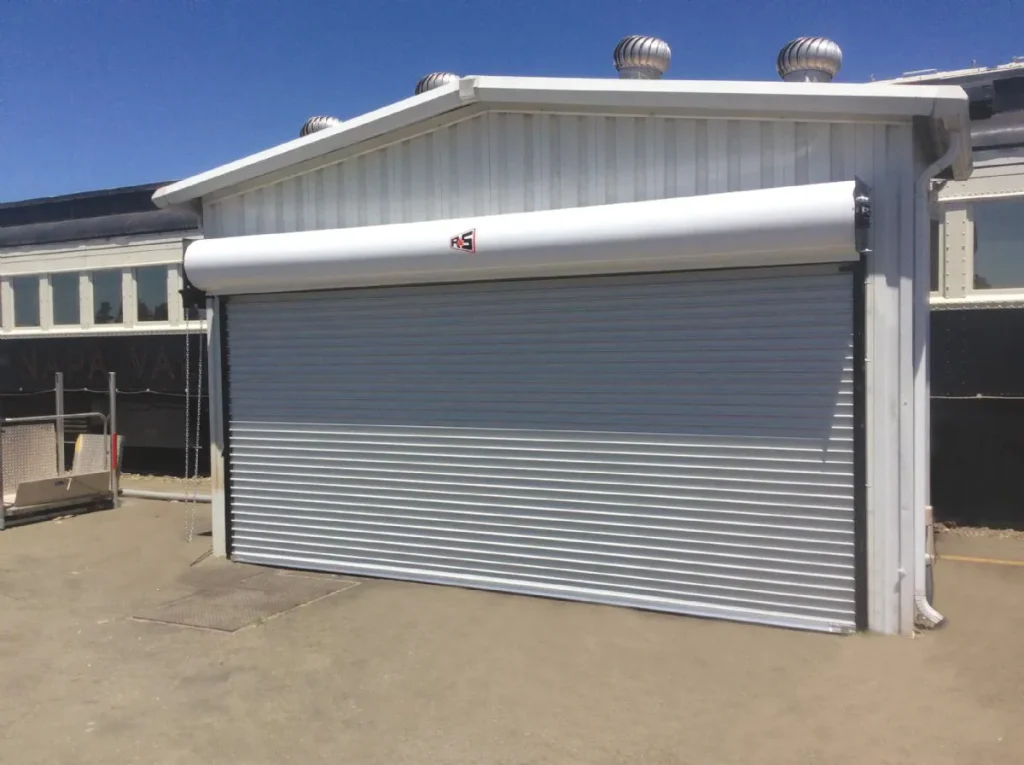
The most common standard commercial door width for a single swing door is 36 inches. That number shows up so often because it lines up with accessibility rules and fits most hallways, storefronts, and back exits.
Here is the short version of standard commercial door measurements:
- Single commercial door: about 36 inches wide (some run 32 to 48 inches)
- Double commercial door: about 72 inches wide total (two 36-inch panels)
- Commercial overhead or roll-up door: 8 to 16 feet wide, sometimes wider for big warehouses
So how wide is a standard commercial door in real life? For a coffee shop or office in San Leandro, 36 inches is typical. For a warehouse near the industrial corridor, the door might be five times that width. The “average” shifts based on what moves through the opening.
For a deeper look at the most common sizing slip-ups, check out the guide “How Wide Is a Commercial Door? Avoid Size Mistakes.“
Standard Commercial Door Sizes by Door Type
Commercial door sizes are not one-size-fits-all. The right number depends on the type of door and what passes through it every day.
Swing and Entry Doors
These are the doors people walk through. Standard commercial door width here is 36 inches, with a typical height of 80 inches (6 feet 8 inches) or 84 inches for taller openings. Storefronts and offices in San Leandro almost always fall into this group.
Commercial Overhead and Roll-Up Doors
These doors move vehicles, equipment, and inventory. Commercial door dimensions for roll-up units often start at 8 feet wide and climb from there. A small auto shop might use a 9-foot or 10-foot door, while a distribution center may need 12 to 16 feet or more.
Loading Dock and Warehouse Doors
Loading bays use the widest commercial door sizes. These openings are built around truck and forklift access, so commercial door measurements of 10 to 16 feet wide are common, and some run even larger.
Here is a simple reference table for standard commercial door dimensions:
Door Type | Typical Width | Typical Height |
Single swing/entry door | 36 in (3 ft) | 80–84 in |
Double swing door | 72 in (6 ft) | 80–84 in |
Small roll-up door | 8–10 ft | 8–10 ft |
Loading dock door | 10–16 ft | 10–14 ft |
Large warehouse door | 16 ft+ | 14 ft+ |
This table covers the standard commercial door size most owners deal with, but every building has its own quirks, which is why on-site checks matter.
To make sure an opening meets accessibility rules, the article “ADA Minimums: How Wide Is a Commercial Door?“ breaks down the clear-width requirements step by step.
Why Commercial Door Width Matters More Than Owners Think
Commercial door width touches almost every part of how a business runs. A door that is too narrow slows down customers, blocks deliveries, and can fail inspection. A door that is too wide for its frame wastes energy and can be harder to secure.
In busy San Leandro shopping areas and along the city’s industrial streets, traffic flow is a daily reality. The wrong commercial door dimensions can create bottlenecks during rush periods or jam up a loading schedule. Picking the correct standard commercial door width keeps people and products moving.
There is also the legal side. Building codes set minimum clear width so that everyone, including people using wheelchairs, can enter safely. Ignoring those rules can turn a small project into a forced commercial door replacement later.
Still deciding between one door or two? The guide “Single or Double: How Wide Is a Commercial Door?“ compares both setups so the right choice is easy to spot.
Building Codes and ADA Rules That Affect Commercial Door Measurements
Here is where many owners get tripped up. The size printed on the door is the nominal width. The space the door actually opens up is the clear width, and that is the number code officials care about.
Under accessibility guidelines that apply across California, a commercial entry door usually needs a clear opening of at least 32 inches when the door is open 90 degrees. That is why a 36-inch door is so popular: once you subtract the door thickness and hardware, a 36-inch door comfortably hits the 32-inch clear-width target.
For San Leandro businesses, this matters during permits and inspections. A door that looks fine on paper can still fail if the clear width falls short. Checking commercial door measurements against both nominal and clear width before any commercial door installation saves a lot of headaches.
A few code-related points worth knowing:
- Clear width is measured with the door open, not closed.
- Hardware, weatherstripping, and door stops all eat into the clear opening.
- Double doors may need each leaf to meet clear-width rules depending on use.
A licensed local pro can confirm which rules apply to a specific property, since codes update over time.
How to Measure for a Standard Commercial Door Size (Without Guessing)
Getting accurate commercial door measurements is the foundation of any successful project. Guesswork here leads to ordering the wrong size, which means delays and extra cost.
What to check when sizing a door:
- Measure the opening, not the old door. The existing door may already be the wrong size. Measure the rough opening width at the top, middle, and bottom, then use the smallest number.
- Check the height the same way. Measure on the left, center, and right.
- Look at the swing space. Make sure the door has room to open fully without hitting walls, fixtures, or other doors.
- Note the frame condition. A warped or damaged frame can throw off commercial door dimensions even if the opening looks correct.
- Account for hardware. Closers, panic bars, and seals affect the final clear width.
This guide stops short of full installation steps on purpose. Setting a commercial door involves leveling, shimming, and securing the frame to code, and that work is best left to trained technicians. The goal here is to know what to check so the right standard commercial door size gets ordered the first time.
Common Width Problems and How to Avoid Them
Plenty of commercial door issues trace straight back to width. Here are the ones that come up most, along with simple ways to avoid each.
- Problem 1: The door is too narrow for traffic. A 36-inch door is fine for an office, but a busy retail entrance or a space with carts and equipment may feel cramped. Avoid it by matching commercial door width to peak traffic, not average traffic.
- Problem 2: Failing ADA clear width. A door that measures 36 inches nominal can still miss the 32-inch clear-width rule once hardware is added. Avoid it by confirming clear width before ordering, not after.
- Problem 3: Ordering by the old door’s size. The old door may have been wrong, modified, or non-code. Avoid it by measuring the opening fresh and checking against standard commercial door dimensions.
- Problem 4: Frame and opening out of square. Older San Leandro buildings can settle over time, leaving openings that are no longer square. Avoid it by measuring at multiple points and flagging any frame damage early.
- Problem 5: Forgetting swing clearance. A correctly sized door is useless if it cannot open fully. Avoid it by mapping the swing path before choosing a width.
If any of these show up, the fix usually involves a professional assessment rather than a quick patch. Spotting the warning signs early keeps a minor adjustment from turning into a full commercial door replacement.
When Commercial Door Replacement or Installation Makes Sense
Not every width problem means a brand-new door, but some do. Here are the signs that point toward commercial door replacement or a fresh commercial door installation.
Consider replacement or new installation when:
- The current door fails code or ADA clear-width requirements.
- The opening has been changed or expanded for new equipment.
- The door is damaged, warped, or no longer seals and secures properly.
- Business needs have grown, and the existing commercial door width slows operations.
- A safety inspection flags the door.
On cost: the average cost of a commercial door project depends on door type, size, material, and hardware. A standard 36-inch swing door sits at the lower end of the average cost range, while wide roll-up and loading dock doors land much higher because of size and motor systems. A local San Leandro provider can give an accurate average cost after measuring the opening, since price tracks closely with commercial door dimensions and specs.
What to check before committing to commercial door installation:
- Confirm the correct standard commercial door size for the space.
- Verify code and ADA compliance for the final clear width.
- Make sure the installer is licensed and familiar with San Leandro permitting.
- Ask whether the project is a swap or a full opening modification, since that changes scope and average cost.
Choosing the Right Commercial Door Width for Your San Leandro Business
Picking the right commercial door width comes down to a short checklist. Run through these before any order or install.
- What moves through it? People only, or carts, equipment, and vehicles?
- How heavy is the traffic at peak times? Size for the busiest hour.
- Does it need to meet ADA clear width? Most public-facing doors do.
- Is the opening square and the frame sound? Older buildings need extra checks.
- Does the swing or roll-up have room to operate fully?
- What is the realistic average cost range for the standard commercial door size that fits?
For most storefronts and offices around San Leandro, a 36-inch single door or a 72-inch double door covers daily needs. For shops, warehouses, and delivery-heavy sites, wider roll-up and dock doors are the better match. Matching commercial door dimensions to the building’s real workload is the surest way to avoid a redo.
Getting Your Commercial Door Width Right
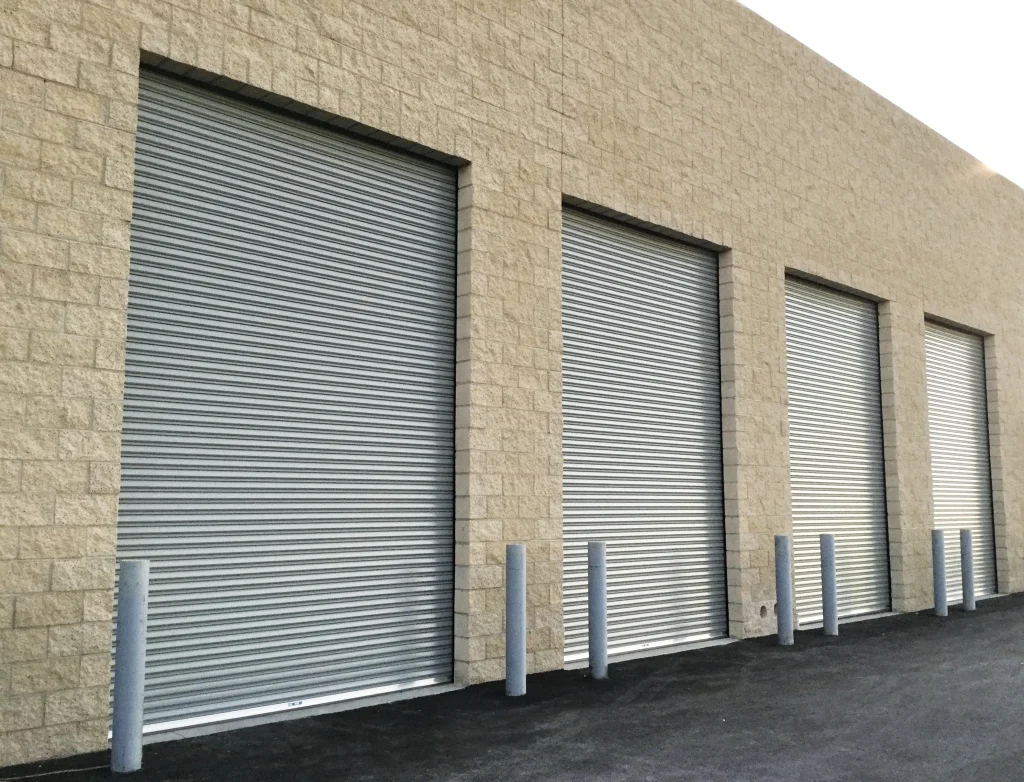
So, how wide is a commercial door on average? A single swing door is about 36 inches, a double is about 72 inches, and overhead or roll-up doors range from 8 to 16 feet or more. Knowing standard commercial door sizes, checking clear width against code, and measuring the opening carefully are the steps that keep a project smooth.
For business owners in San Leandro, CA, the smartest move is a quick professional assessment before any commercial door replacement or commercial door installation. A licensed local technician can confirm the right standard commercial door width, verify code, and give an accurate average cost based on the actual opening. The correct width also supports easier commercial garage door maintenance and helps a commercial garage door opener run smoothly over time. Getting the commercial door measurements right the first time protects the budget, the schedule, and the daily flow of the business.
Local Commercial Door Help You Can Count On
When it comes to commercial doors in San Leandro, R&S Overhead Garage Door, Inc. is a trusted local name business owners count on. Backed by experienced, licensed technicians and a reputation for honest, reliable service, the team helps with everything from accurate measurements and code checks to full commercial door installation and replacement. We focus on quality workmanship and clear guidance takes the guesswork out of every project. Contact us today or give us a call to get the right commercial door width done right the first time.