
Commercial properties across San Leandro face real security challenges every single day. From the busy warehouse districts near the I-880 corridor to the retail centers along East 14th Street and Marina Boulevard, business owners need reliable ways to control who enters their property and when. That is exactly where commercial security gates for access control come into play.
A well-designed security gate does more than just block an entrance. It manages traffic flow, deters unauthorized access, protects employees and inventory and gives property owners peace of mind around the clock. Whether the solution is a full perimeter gate or a security shutter protecting a storefront or loading bay, not every system delivers those results. The difference between a gate that works and one that becomes a headache comes down to a handful of critical factors.
This guide breaks down the key features that make commercial security gates truly effective, with practical tips drawn from years of experience in the garage door and gate industry serving businesses throughout the Bay Area. Whether managing a distribution center, a multi-tenant office park, or a retail lot, this information will help in making a smarter decision.
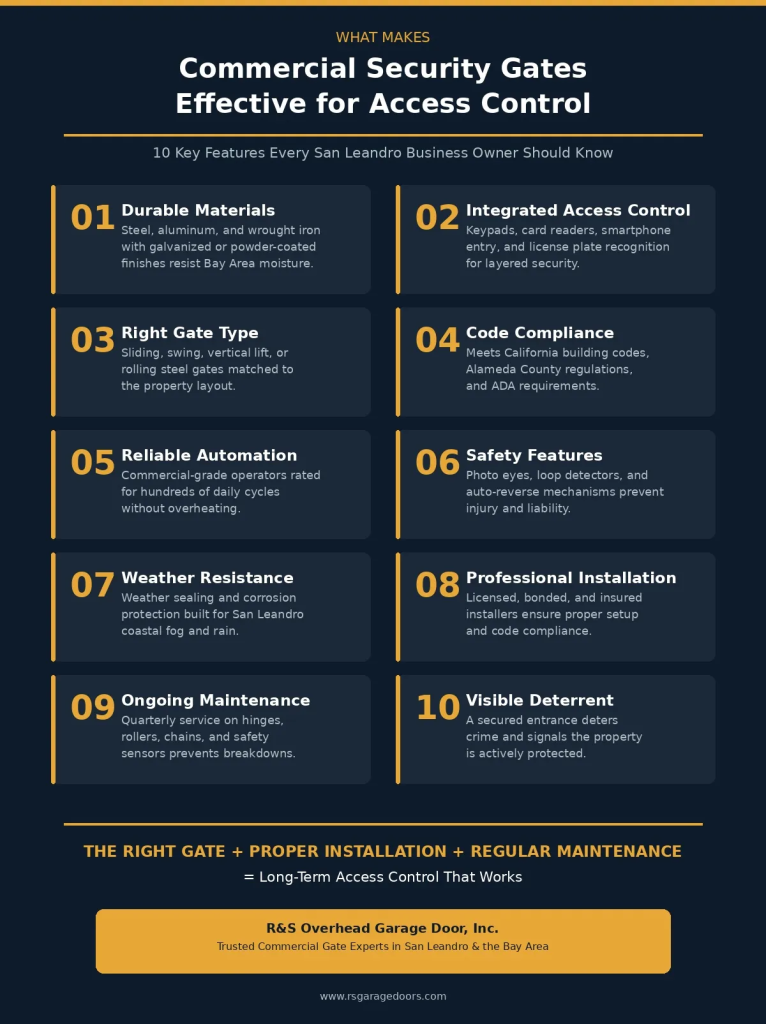
10 Things That Make Commercial Security Gates Effective for Access Control
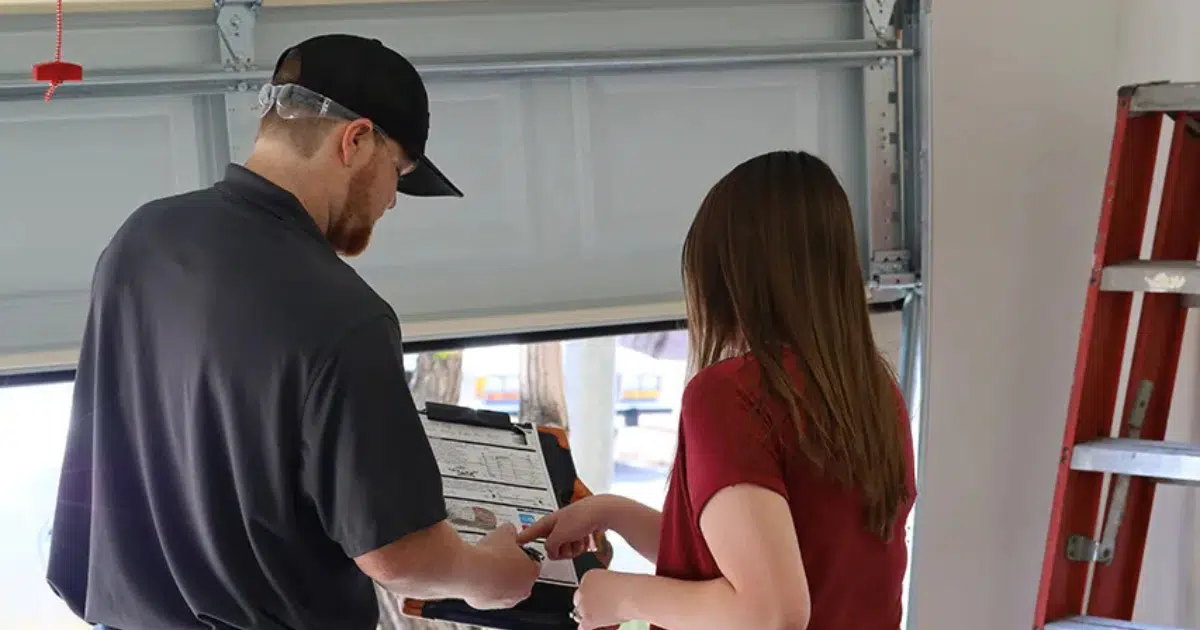
1. Durable Materials Built for Daily Commercial Use
The foundation of any effective commercial gate system starts with the materials. Steel, aluminum and wrought iron are the most common choices for business properties and each one has its strengths depending on the application.
For properties in San Leandro, material selection matters even more than in many inland cities. The proximity to San Francisco Bay means higher moisture levels and salt air exposure, which can accelerate corrosion on unprotected metal. A gate that looks solid on day one can start showing rust and structural weakness within a couple of years if the finish is not up to the task.
What to check: Always look for galvanized or powder-coated finishes on commercial gates. These coatings create a barrier against moisture and salt damage. When evaluating a gate provider, ask specifically about the coating process and whether it meets ASTM standards for corrosion resistance. Skipping this step often leads to premature replacement costs that could have been avoided.
For a closer look at how the right materials also play a role in managing daily operations, check out “How Commercial Gates Improve Security and Traffic Flow.”
2. Integrated Access Control Technology
A commercial security gate is only as effective as the access control system connected to it. Modern gate access systems for businesses go far beyond a simple lock and key. Today, properties can be equipped with keypads, proximity card readers, remote-controlled entry, license plate recognition and even smartphone-based access that lets managers grant or revoke entry from anywhere.
The best setups allow for multiple layers of access. For example, a warehouse in San Leandro might use a keypad for daily employee entry, card readers for vendor deliveries during set hours and a remote override for the property manager. This kind of layered approach keeps operations smooth without compromising security.
Tip: Before committing to a system, ask the installer about scalability. Can additional users be added easily? Is there an option to integrate security cameras or intercom systems later? Choosing a system that grows with the business avoids the headache of ripping everything out and starting over in a few years.
To learn more about how these systems perform under heavy daily use, read “How Do Commercial Security Gates Handle High-Traffic Areas.”
3. The Right Gate Type for the Property Layout
Not every gate style works for every property. The layout of the lot, the width of the entrance and the available clearance space all determine which type of commercial gate will perform best.
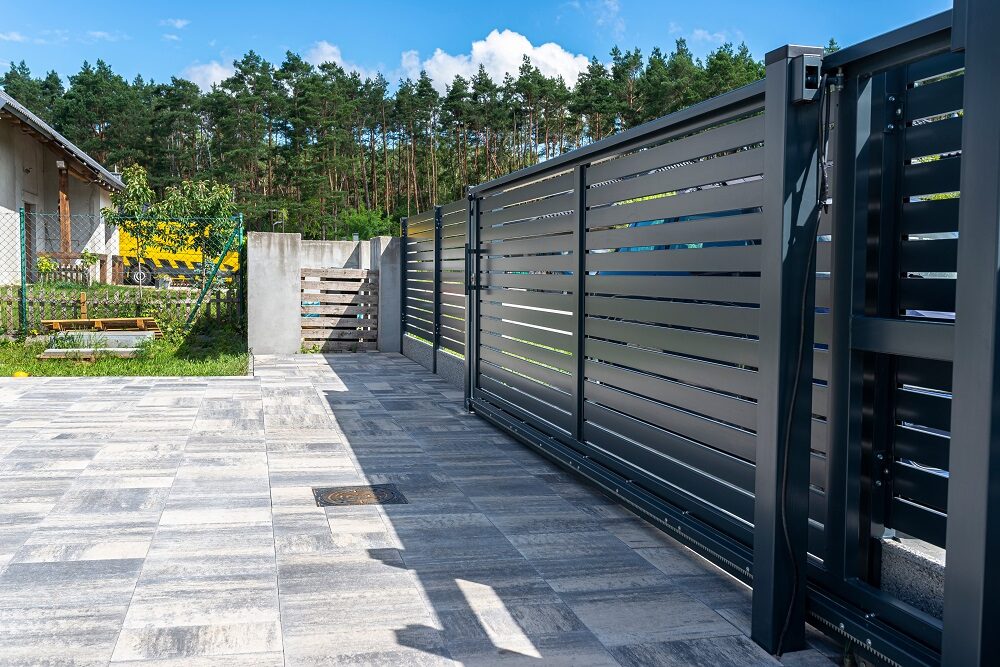
Sliding gates are a popular choice for San Leandro commercial properties because many lots in this area are compact. A sliding gate runs parallel to the fence line and does not require the wide swing arc that a hinged gate needs. Vertical lift gates work well for loading docks and areas with limited lateral space. Rolling steel security gates are commonly used for storefronts and interior warehouse bays where overhead clearance is available.
What to check: Measure the available space carefully before selecting a gate type. Account for any grade changes, nearby structures, or utility access points that could interfere with gate operation. A gate that cannot open fully or that blocks a fire lane creates more problems than it solves.
Still unsure whether a gate system is the right investment for a specific property? Read “Are Commercial Security Gates Worth It for Your Property” for a deeper breakdown.
4. Compliance with Local Safety Codes and ADA Requirements
Installing a commercial gate in San Leandro means meeting both California state building codes and local municipal requirements in Alameda County. This includes proper setback distances, fire access provisions and electrical code compliance for any motorized systems.
ADA compliance is another area that often gets overlooked. If a property has pedestrian traffic, the gate system must include an accessible entry point that meets Americans with Disabilities Act standards. This typically means a separate pedestrian gate with appropriate width, hardware height and opening force requirements.
Tip: Always confirm that the installer pulls proper permits through Alameda County and the City of San Leandro before any work begins. Unpermitted gate installations can result in fines, forced removal, or liability issues if an accident occurs. A reputable installer will handle the permitting process as part of the project.
5. Reliable Automated Operation
Automated security gates need operators that are built for the demands of commercial use. This is one of the most common areas where business owners run into trouble. A residential-grade gate opener might handle a few cycles per day, but a commercial property might need hundreds of open-and-close cycles daily.
Commercial-grade operators are rated for higher duty cycles, meaning they can handle continuous use without overheating or wearing out prematurely. They also tend to feature heavier gears, stronger motors and more robust control boards designed for around-the-clock reliability.
What to avoid: Never install a residential gate operator on a commercial property. It might seem like a way to save money upfront, but these units burn out fast under heavy use. The average cost to replace a failed operator and repair any related damage is significantly higher than investing in the right equipment from the start.
6. Built-In Safety Features That Prevent Liability
Safety features are not optional on a commercial gate. They are a legal and practical necessity. Photo eyes, loop detectors and auto-reverse mechanisms are the standard safety devices that prevent a gate from closing on a person, vehicle, or object.
Photo eyes use an infrared beam across the gate opening. If anything breaks that beam while the gate is in motion, it stops or reverses. Loop detectors are embedded in the ground and sense the presence of a vehicle using electromagnetic fields. Auto-reverse systems detect resistance when the gate contacts an obstruction and immediately reverse direction.
Tip: Test all safety sensors at least once a month. A malfunctioning photo eye or a loop detector that has lost sensitivity can lead to serious injury and significant liability. Most gate-related accidents that end up in court involve safety devices that were either missing or had not been maintained. A simple monthly test takes just a few minutes and can prevent a major problem.
7. Weather and Environmental Resistance
San Leandro experiences a mix of coastal fog, seasonal rain and occasional temperature swings that can take a toll on outdoor gate systems. While the climate is generally mild compared to other parts of the country, the consistent moisture from Bay Area fog is particularly tough on metal components, electrical connections and moving parts.
Effective commercial gates are designed with weather sealing on electrical enclosures, corrosion-resistant hardware and drainage provisions that prevent water from pooling around the gate track or foundation. Seismic considerations also matter in the Bay Area, where ground movement can shift gate posts and throw tracks out of alignment over time.
Tip: Schedule an annual inspection before the rainy season hits, typically around October or November in the Bay Area. This gives a qualified technician the chance to check weather seals, lubricate moving parts and address any alignment issues before wet weather makes them worse.
8. Professional Installation Over DIY
Commercial gate installation is not a weekend DIY project. These systems involve heavy materials, electrical wiring, concrete work and precise alignment that require professional expertise. A gate that is installed incorrectly can cause a range of problems, from tracks that bind and motors that burn out to safety hazards that put people at risk.
Professional installers understand the engineering requirements for different gate types and property layouts. They know how to properly set posts, level tracks, wire control systems and calibrate safety devices so everything works together as a complete unit.
What to check: Verify that any installer holds a valid California State License Board (CSLB) license, carries general liability insurance and is bonded. Ask for the license number and verify it online through the CSLB website. The average cost of professional commercial gate installation varies widely depending on the gate type and property requirements, but cutting corners on installation almost always costs more in repairs and replacements down the road.
9. Ongoing Maintenance That Keeps the System Working
Even the best commercial gate system will eventually fail without regular maintenance. Moving parts wear down, electrical connections loosen and environmental exposure takes its toll over time. A proactive maintenance schedule is the single most effective way to extend the life of a commercial gate and avoid unexpected breakdowns.
Routine commercial gate maintenance typically includes lubricating hinges, rollers and chains; inspecting hardware for wear or damage; testing safety devices; checking the operator for unusual noises or performance changes; and cleaning tracks or guide rails of debris. For automated systems, control board diagnostics should also be part of the routine.
Tip: Set up a quarterly maintenance schedule with a qualified gate service provider. Most of the gate failures seen in the field come from neglected hinges, worn rollers and chains that have gone dry. These are simple, low-cost maintenance items that prevent expensive emergency service calls when a gate stops working on a busy Monday morning.
10. Visible Deterrent That Reduces Security Threats
There is a psychological element to commercial security that goes beyond locks and sensors. A visible, well-maintained security gate sends a clear message to anyone approaching the property: this business takes security seriously. That visible deterrent alone is often enough to redirect criminal activity elsewhere.
This is especially relevant for San Leandro businesses located near high-traffic areas like the I-880 corridor, the San Leandro BART station, or the busy commercial zones along Davis Street and Washington Avenue. Properties in these areas benefit significantly from perimeter security for businesses that is clearly visible from the street. Keeping every entry point in top condition through routine commercial door service also reinforces that commitment to security across the entire property.
Tip: Pair the security gate with proper signage, adequate lighting and visible camera housings for maximum deterrent effect. A gate alone is effective, but combining it with these additional elements creates a layered security presence that dramatically reduces the likelihood of unauthorized entry or vandalism.
How to Choose the Right Commercial Security Gate in San Leandro
Selecting the right commercial security gate comes down to understanding the specific needs of the property. Start by assessing the type and volume of traffic the gate will handle, including both vehicles and pedestrians. Consider the hours of operation and whether the gate needs to function around the clock or only during specific times.
Work with a local gate professional who understands Alameda County regulations and has direct experience with San Leandro commercial properties. Local knowledge matters because soil conditions, weather patterns and municipal code requirements vary from city to city.
When comparing providers, look beyond the initial price tag. Ask about warranty coverage, average response times for service calls and parts availability. Make sure the commercial motor operator included with the system is rated for the expected daily usage and backed by a solid manufacturer warranty. A slightly higher upfront investment with a provider who offers strong after-sale support almost always delivers better long-term value than the cheapest bid from an unknown company.
Protecting Your San Leandro Business Starts with the Right Gate
Commercial security gates are one of the most effective tools available for controlling access to a business property. But effectiveness depends on getting the details right, from material selection and gate type to access control technology, safety features and ongoing maintenance.
For San Leandro business owners, working with a knowledgeable local gate professional is the best way to ensure the system meets both security needs and local code requirements. Properties with loading docks or freight areas may also benefit from reliable truck door service to keep daily operations running smoothly alongside the gate system. The right gate, properly installed and maintained, protects the property, the people inside it and the investment for years to come.
Anyone considering a commercial security gate installation or upgrade in the San Leandro area should start by consulting with a licensed and experienced gate contractor who can evaluate the property and provide a tailored recommendation.
Trusted Commercial Gate Experts Serving San Leandro and the Bay Area
R&S Overhead Garage Door, Inc. has been a trusted name in the garage door and gate industry, proudly serving San Leandro and the surrounding Bay Area communities. With years of hands-on experience in commercial security gate installation, maintenance and repair, we understand what local businesses need to stay safe and fully operational. From selecting the right gate system to ensuring every component meets California code requirements, we deliver reliable workmanship backed by genuine expertise. Contact us today or give us a call to schedule a free property evaluation and find out which commercial gate solution is the best fit for your business.
Frequently Asked Questions
[sp_easyaccordion id=”13475″]