
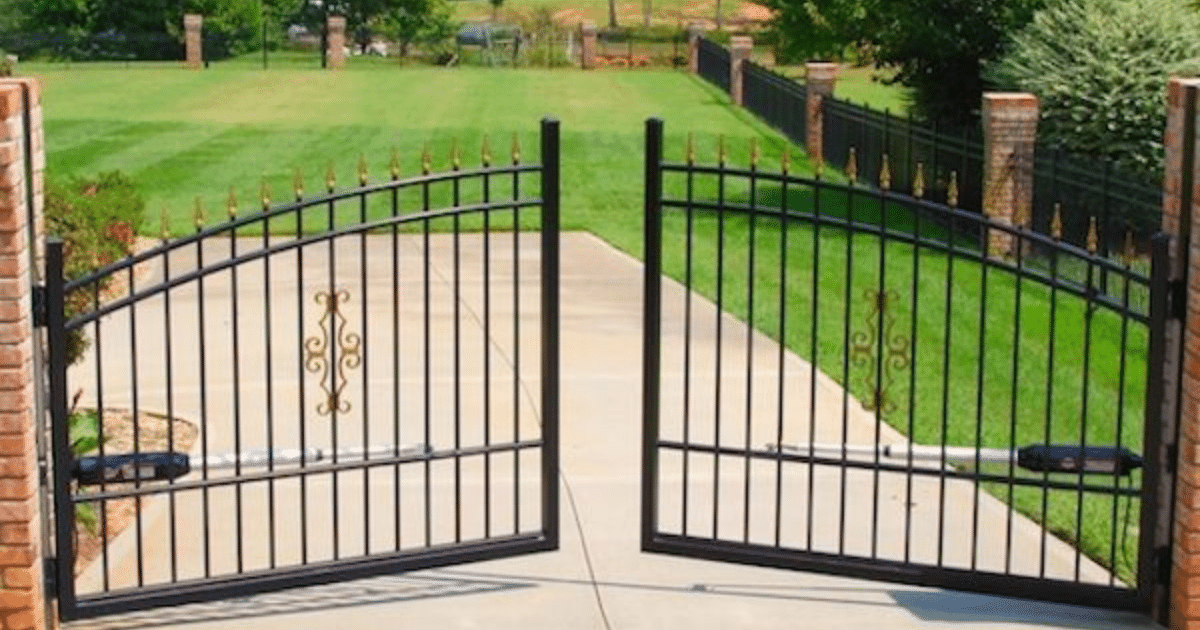
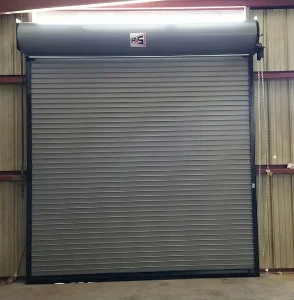
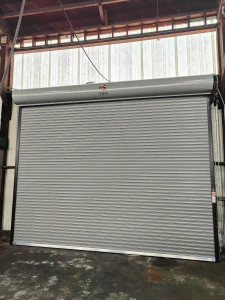
Commercial properties in San Leandro, California face a unique challenge when it comes to securing high-traffic entry points. Whether it is a warehouse along Doolittle Drive handling constant delivery trucks, a retail plaza near the Bayfair Center with steady customer flow, or a gated parking structure by the San Leandro BART station buzzing with commuters, the demands placed on a commercial security gate or security shutter in a busy environment are far greater than what most property managers expect.
A gate that performs well at a quiet office park will often break down quickly when it is opening and closing dozens or even hundreds of times each day. The key to avoiding costly repairs, security gaps and operational headaches lies in understanding exactly how these gate systems are designed for heavy use, what goes wrong when the wrong system is installed and what steps property owners can take to stay ahead of problems before they happen.
Why High-Traffic Areas Need a Different Kind of Gate
Not all commercial security gates are built the same way. A gate protecting a storage facility that sees 10 entries per day faces a completely different workload than one guarding a busy parking structure near the San Leandro BART station or a distribution center off Washington Avenue.
High-traffic commercial gates need to handle what the industry calls a high cycle count, meaning they open and close far more frequently than standard gates. Think of it like a car engine. A sedan that drives around town on weekends is built differently than a delivery truck running all day, every day. The same concept applies to gate systems. The motor, the hinges, the track, the operator unit and every other component must be rated for continuous, heavy-duty use.
In San Leandro specifically, commercial properties near the industrial corridor along Marina Boulevard and the retail areas around Bayfair Center deal with a mix of pedestrian traffic, delivery trucks, employee vehicles and customer flow. That combination creates unique stress on gate systems that a standard residential-grade or light-commercial operator simply cannot handle over time.
What Happens When the Wrong Gate Is Installed
When a property installs a gate system that is not rated for its actual daily traffic volume, the problems tend to show up within the first 12 to 18 months. Common signs include the gate slowing down noticeably, the operator motor overheating and shutting off during peak hours, unusual grinding or scraping sounds and increased frequency of service calls. All of these issues stem from a mismatch between the gate’s design capacity and its real-world workload.
Tip to Avoid This Problem: Before purchasing any commercial gate, make sure the installer provides information about the expected daily cycle count for your specific location. If the property sees more than 50 open-close cycles per day, the gate system needs to be specifically rated for high-cycle commercial use, not a standard-duty model.
For a deeper look at how the right gate system balances property security with smooth vehicle and pedestrian movement, check out this related guide on “How Commercial Gates Improve Security and Traffic Flow”.
Types of Commercial Security Gates Built for Heavy Use
When it comes to high-traffic commercial applications, there are several gate types that consistently perform well. Each one has strengths depending on the kind of traffic being managed.
Rolling Gates (Sliding Gates)
Rolling gates are the workhorses of commercial security. They slide horizontally along a ground track, which means they do not need the overhead clearance that vertical gates require. These are common at warehouses, parking lots and industrial yards throughout the East Bay. Rolling gates handle frequent cycling well because the mechanical stress is distributed along the track rather than concentrated on a single hinge point. For properties along the San Leandro industrial corridor near I-880, rolling gates are often the go-to choice for perimeter security.
Vertical Lift Gates and Vertical Pivot Gates
Vertical lift gates and vertical pivot gates are commonly found at parking garages and gated commercial complexes. They open quickly, with some models completing an open cycle in under two seconds. That speed matters more than many people realize. A gate that takes 15 seconds to open instead of 3 can create a traffic backup in a busy lot within minutes during morning and evening rush hours.
Overhead Coiling Security Grilles
Overhead coiling security grilles are what most people see on retail storefronts. Along East 14th Street and the San Leandro Downtown area, many businesses use these to secure their entrances after hours while still allowing visibility into the store. For high-traffic retail environments, these grilles need a heavy-duty operator with a cycle rating that matches actual daily use.
What to Check: Look at the operator’s UL 325 rating and the manufacturer’s listed duty cycle. A “continuous duty” rating means the operator is designed to run repeatedly without overheating. If the spec sheet does not mention a duty cycle at all, that is a red flag and the gate likely is not built for high-traffic environments.
To learn more about how these systems work together to control who gets in and out of a property, read this related guide on “What Makes Commercial Security Gates Effective for Access Control”.
How Gate Cycle Ratings Determine Longevity
Here is something most property managers do not think about until something breaks: every commercial gate operator has a cycle rating. One cycle equals one full open-and-close operation. A standard commercial operator might be rated for 30,000 to 50,000 cycles before it needs major servicing. A high-cycle operator can handle 100,000 to over 1,000,000 cycles.
The Math Behind Cycle Ratings
Consider a quick example. If a San Leandro business runs a gate that opens 100 times per day, a 50,000-cycle operator will hit its limit in roughly 500 days, which is less than a year and a half. A 500,000-cycle operator doing the same work would last nearly 14 years before reaching that same threshold.
Tip to Avoid This Problem: Ask a qualified gate technician to check the cycle counter during every service visit. Many modern operators have built-in counters. If the current system does not have one, a technician can install one. Tracking the cycle count helps plan replacements ahead of time, before a breakdown disrupts operations.
Still wondering whether a commercial gate makes sense for a specific property? This guide on “Are Commercial Security Gates Worth It for Your Property” breaks down the key factors to consider.
Access Control Systems That Keep Traffic Moving
A commercial security gate is only as effective as the access control system running it. In high-traffic areas, slow or unreliable access control creates bottlenecks, frustrated tenants and security gaps when people tailgate through because they got tired of waiting.
Common Access Control Options
The most common access control options for high-traffic commercial gates include proximity card readers, key fob systems, license plate recognition (LPR) and smartphone-based access apps. Each option has trade-offs in a busy environment.
For commercial lots and gated parking areas around San Leandro, especially near the business parks off Davis Street and the mixed-use developments along San Leandro Boulevard, license plate recognition systems have become increasingly popular. They allow authorized vehicles to enter without stopping, which dramatically reduces gate cycling time and vehicle stacking during morning and evening rush hours.
Keypads, while affordable, are the slowest option for high-traffic use. People fumble with codes, forget them and hold up the line. If a property is using a keypad at a location with more than 30 daily entries, it is probably time to consider an upgrade.
Recommended Solution: If upgrading the entire access control system is not in the budget right now, consider adding a secondary “free exit” loop detector on the outbound lane. This allows vehicles to leave without triggering the access system, cutting the gate’s daily cycle count nearly in half and reducing wear on the operator motor.
Safety Features That Prevent Accidents in Busy Areas
When a gate is cycling constantly in a busy area, the risk of accidents goes up. Vehicles, pedestrians, delivery drivers and cyclists are all moving around a heavy piece of equipment that can weigh several hundred pounds. Safety is not optional here. It is required by code and by common sense.
California Safety Compliance Requirements
Commercial security gates in California must comply with UL 325 safety standards, which require entrapment protection devices like photo eyes, sensing edges and vehicle detection loops. Photo eyes are infrared beams that run across the gate opening. If anything breaks the beam while the gate is closing, the gate reverses or stops immediately.
In high-traffic areas, these safety devices take a beating. Photo eye lenses get dirty from exhaust and dust. Sensing edges wear out from repeated contact. Loop detectors can lose calibration from the constant flow of vehicles passing over them. When safety devices fail, the gate either stops working entirely, creating a traffic jam, or worse, continues operating without protection.
What to Check: Test photo eyes monthly by placing an object in the gate’s path while it is closing. The gate should reverse immediately. If there is any delay, or if it does not reverse at all, stop using the gate and call a qualified gate technician right away. This involves sensor alignment and control board calibration that requires professional tools and training.
Common Problems High-Traffic Gates Face in San Leandro
San Leandro’s location along the East Bay means commercial gates here deal with a specific set of environmental and usage challenges that properties in other areas might not experience.
Salt Air and Bay Moisture
Salt air and moisture from the San Francisco Bay accelerate corrosion on gate tracks, rollers and hinges. This is especially noticeable for properties west of I-880 closer to the waterfront and marina area. Rust builds up faster than most property managers expect and once a rolling gate’s track corrodes, the gate starts dragging. That dragging puts extra strain on the operator motor, which leads to premature motor failure.
Debris and Grit From Busy Streets
Debris and grit from high-traffic areas is another constant issue. Sand, dirt, gravel and litter get pushed into gate tracks by vehicle tires and foot traffic. For businesses along busy corridors, this buildup can cause a gate to jump its track entirely, which is both a safety hazard and an expensive repair.
Power Fluctuations and Outages
Power fluctuations and PG&E outages affect gate operations more than people realize. During planned shutoffs or brownouts, gates without battery backup systems leave properties either wide open or completely locked. For high-traffic commercial properties, neither option is acceptable from a security or operational standpoint.
Maintenance Tips That Extend Gate Lifespan by Years
A consistent maintenance schedule is the single best investment any commercial property can make in its gate system. It is not the most exciting topic, but it is the difference between a gate lasting 5 years and one lasting 15.
What to Monitor Between Service Visits
Between professional visits, there are a few things a facility team can keep an eye on. Keeping the gate track clean is the most important one. Running a leaf blower or shop vacuum along the track once a week prevents the debris buildup that causes most track-related failures. Listening for unusual sounds like grinding, scraping, or squealing usually means a roller or bearing is starting to fail. Watching the gate’s speed is also important. If it is opening or closing noticeably slower than usual, that is often an early sign of operator wear or a chain and belt that needs adjustment.
Tip to Avoid This Problem: Do not wait until a gate breaks to call a technician. Preventive maintenance almost always costs less over time than reactive emergency repairs. Setting up a maintenance contract with a local commercial gate company ensures the system gets inspected on schedule, even when day-to-day operations get busy and maintenance falls off the priority list.
When to Upgrade vs. When to Repair

One of the most common questions from San Leandro business owners and property managers is simple: “Should this gate be fixed, or is it time for a new one?” The honest answer depends on three factors: the gate’s age, its accumulated cycle count and how traffic patterns have changed since the gate was originally installed.
When a Repair Makes Sense
If the gate is less than 7 years old, the physical structure is still solid and the issue is limited to the operator or access control system, a repair or component upgrade usually makes sense. Operators can be swapped out without replacing the entire gate assembly. Modern access control systems can often be retrofitted onto existing gate frames without major structural work. A trusted commercial door service provider can evaluate the current condition and recommend whether a targeted repair is the right call.
When Replacement Is the Better Investment
However, if the property is experiencing repeated breakdowns (more than two emergency calls in six months), if the gate’s cycle rating no longer matches current traffic volume, or if the gate itself shows significant structural wear like rust-through on the frame, a bent track, or cracked welds, a full replacement is usually the smarter long-term investment.
What to Look for When Hiring a Gate Installer in the East Bay
Choosing the right installer matters just as much as choosing the right gate. A poorly installed commercial gate, even a high-end model, will fail prematurely in a high-traffic environment. Here is what to look for when selecting a gate company in San Leandro and the surrounding East Bay.
Verify the C-13 Contractor License
Any company installing a commercial gate in California must hold a valid C-13 Fencing Contractor license from the California Contractors State License Board (CSLB). This is the specific license classification required for commercial gate installation work. Ask for the license number and verify it on the CSLB website. It takes less than a minute and can save thousands in potential liability down the road.
Ask About High-Traffic Experience
Installing a gate at a quiet single-tenant office is very different from engineering a system that handles hundreds of daily cycles at a distribution center or multi-level parking structure. This includes selecting and configuring the right commercial motor operator for the property’s specific traffic demands. Make sure the installer has documented experience with high-traffic commercial installations specifically. Asking for references from similar properties is always a smart move.
Look for Ongoing Maintenance Contracts
The best commercial gate companies do not just install equipment and disappear. They offer scheduled preventive maintenance plans because they understand that high-traffic gates need regular professional attention to perform reliably. A company that does not offer maintenance support may not be the right fit for a commercial property with heavy daily use.
Recommended Solution: Request a site-specific traffic assessment before any installation begins. A qualified installer should want to know peak traffic hours, vehicle types (passenger cars versus delivery trucks), pedestrian patterns and estimated daily cycle counts before recommending a gate system. If a company provides a quote without visiting the property first, that is a strong signal to keep looking.
Keeping Commercial Security Gates Running Strong in San Leandro
Commercial security gates in high-traffic areas are not a “set it and forget it” investment. They are working equipment that needs to be specified correctly, installed by a licensed professional and maintained on a consistent schedule. For San Leandro businesses dealing with Bay Area moisture, heavy daily traffic and California’s strict safety requirements, getting these details right from the start saves thousands in avoidable repairs and keeps operations running without interruption.
Whether the goal is installing a new gate system at a commercial lot near the Bayfair Center, upgrading an aging rolling gate at a Marina Boulevard warehouse, scheduling reliable truck door service for a busy loading dock, or simply extending the life of an existing setup, the same principles apply. Match the gate to the actual traffic demands. Invest in high-cycle components. Keep up with preventive maintenance. And always work with installers who have proven experience in high-traffic commercial environments.
Trusted Commercial Gate Experts Serving San Leandro and the East Bay
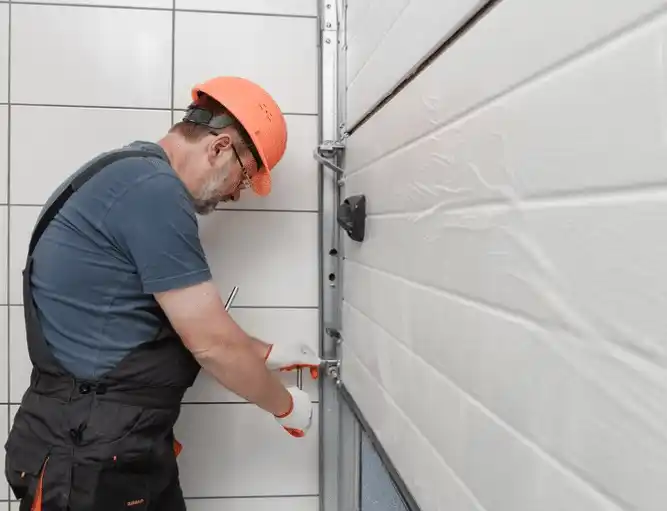
R&S Overhead Garage Door, Inc. has been serving San Leandro and the greater East Bay area with professional commercial gate installation, repair and maintenance for years. With hands-on experience working on high-traffic properties across the region, our team understands the unique demands that local businesses face and provides solutions built to last. From selecting the right gate system to setting up a preventive maintenance plan, we are the trusted partner that commercial property owners count on to keep things running smoothly. Contact us today or give us a call to schedule a free on-site assessment and find out which commercial gate solution is the right fit for your property.
Frequently Asked Questions
[sp_easyaccordion id=”13482″]