Where Are Commercial Security Shutters Most Needed?
Keeping your business secure requires careful planning and informed decisions about the protective measures you put in place. Choosing the right tools plays a significant role in reducing exposure to potential risks, and security shutters offer a dependable way to safeguard commercial properties. Their strength goes beyond simply covering doors and windows, as they act as a physical barrier that helps deter unauthorized access and reduce the likelihood of break-ins, contributing to a more secure environment overall.
Every business operates under different conditions, and factors such as location, layout, and daily activity levels influence where vulnerabilities exist. Identifying the areas most exposed to risk is an essential step in protecting employees, assets, and operational spaces. By understanding which parts of your property require the highest level of protection, security shutters can be placed where they provide the greatest impact, supporting long-term safety and continuity for your business.
The Importance of Commercial Security Shutters for Businesses
Protecting valuable assets and maintaining smooth daily operations are fundamental concerns for any business. Commercial security shutters provide a dependable layer of protection that helps reduce exposure to break-ins, vandalism, and other external threats. Acting as a visible and physical barrier, these shutters signal that a property is well protected, which can discourage unwanted activity before it begins. Their presence strengthens overall security while supporting the long-term protection of business investments.
Beyond physical protection, security shutters offer reassurance during off-hours or periods when a property is unoccupied. With multiple shutter styles available, including solid metal options and roll-up designs that allow for easy operation, businesses can choose solutions that align with their layout and security needs. Each option contributes to a consistent level of protection designed to withstand regular use, making security shutters an important consideration for commercial properties where reliability matters.
For a deeper look at how these systems support different business environments, explore our related guide, What Are Commercial Security Shutters Used For?
Why Metal Security Shutters Are Used to Protect Commercial Properties
Metal security shutters are widely used in commercial environments because of their strength and resilience. Constructed from durable materials such as high-strength aluminum, they are designed to absorb impact and resist forced entry. This solid construction makes unauthorized access significantly more difficult and plays a key role in deterring intrusion, which is why metal remains a preferred choice for many businesses.
Their adaptability also makes them suitable for a wide range of commercial settings. In areas where security risks are higher, reinforced slats can provide added resistance, while perforated designs are often chosen for retail environments where visibility is still important. This flexibility allows businesses to balance protection with appearance, ensuring that each space receives the appropriate level of security without compromising its function.
Whether securing a small storefront or a large warehouse, metal security shutters can be matched to the scale and demands of the property. By reinforcing the most vulnerable access points, they help safeguard assets and support a safer operating environment, allowing businesses to focus on growth with greater confidence.
How Commercial Roller Shutters Support Long-Term Building Security
Commercial roller shutters combine strong protection with practical functionality, making them a reliable choice for long-term building security. Their ability to roll up and down as needed allows businesses to secure entrances and openings efficiently without disrupting daily operations. When retracted, they remain out of sight and unobtrusive, giving business owners control over security without permanently altering the space.
Designed with both protection and appearance in mind, roller shutters integrate seamlessly into commercial buildings. When not in use, they store neatly within a compact housing, preserving the visual appeal of storefronts and service areas. Options that allow limited visibility after hours can keep interiors visible while still maintaining a protective barrier, which may reduce attempts at forced entry.
Incorporating roller shutters into a broader security approach provides businesses with a system built for frequent use and lasting performance, including applications such as storefront protection, warehouse access, and truck door service. Their durability and ease of operation support consistent protection over time, making them a practical solution for businesses that value both security and a professional appearance.
Business Settings Where Security Shutters for Businesses Are Most Common
Security shutters can be used across many commercial environments, but certain settings face a greater need for this level of protection. Businesses located in high-traffic areas, properties that house valuable inventory, and spaces left unattended after hours often carry higher security risks. Identifying these vulnerabilities requires a careful assessment of how and where a business may be exposed, allowing owners to prioritize protection where it matters most.
Retail spaces and industrial facilities are the two business types where security shutters are most commonly used. While the risks they face differ, both environments benefit from controlled access and reinforced barriers. Whether shielding a storefront window or securing a large service entrance, security shutters serve the same essential purpose: preventing unauthorized access. The way they are applied may vary, but the goal remains consistent across industries.
To understand this protective role in more detail, see our related article, How Do Commercial Security Shutters Protect Buildings?
Retail Locations and Shopping Areas in San Leandro
Retail businesses in busy shopping areas such as San Leandro often experience increased exposure to theft and property damage, particularly after closing hours. Storefronts with large glass windows and street-facing entrances are especially vulnerable, making security shutters an effective solution for protecting these access points. When installed over doors and display windows, shutters help reduce the risk of break-ins and limit damage caused by forced entry attempts.
Retail security shutters also offer flexibility that suits customer-facing environments. Perforated designs allow visibility into the store after hours, keeping displays visible while discouraging concealed activity near the storefront. With a range of finishes available, retailers can maintain a cohesive appearance without compromising security, ensuring protection blends naturally with the surrounding shopping area.
Retail businesses that commonly rely on this added layer of protection include:
- Pharmacies that store regulated or high-demand items
- Jewelry and electronics stores with valuable merchandise
- Boutiques located along busy pedestrian corridors
- Ground-floor shops with large display windows
For retailers, security shutters provide a practical way to protect property while maintaining a professional storefront presence.
Warehouses and Distribution Centers Using Industrial Security Shutters
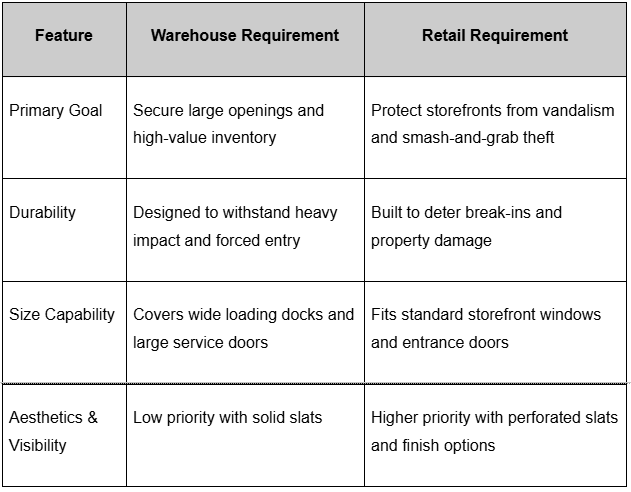
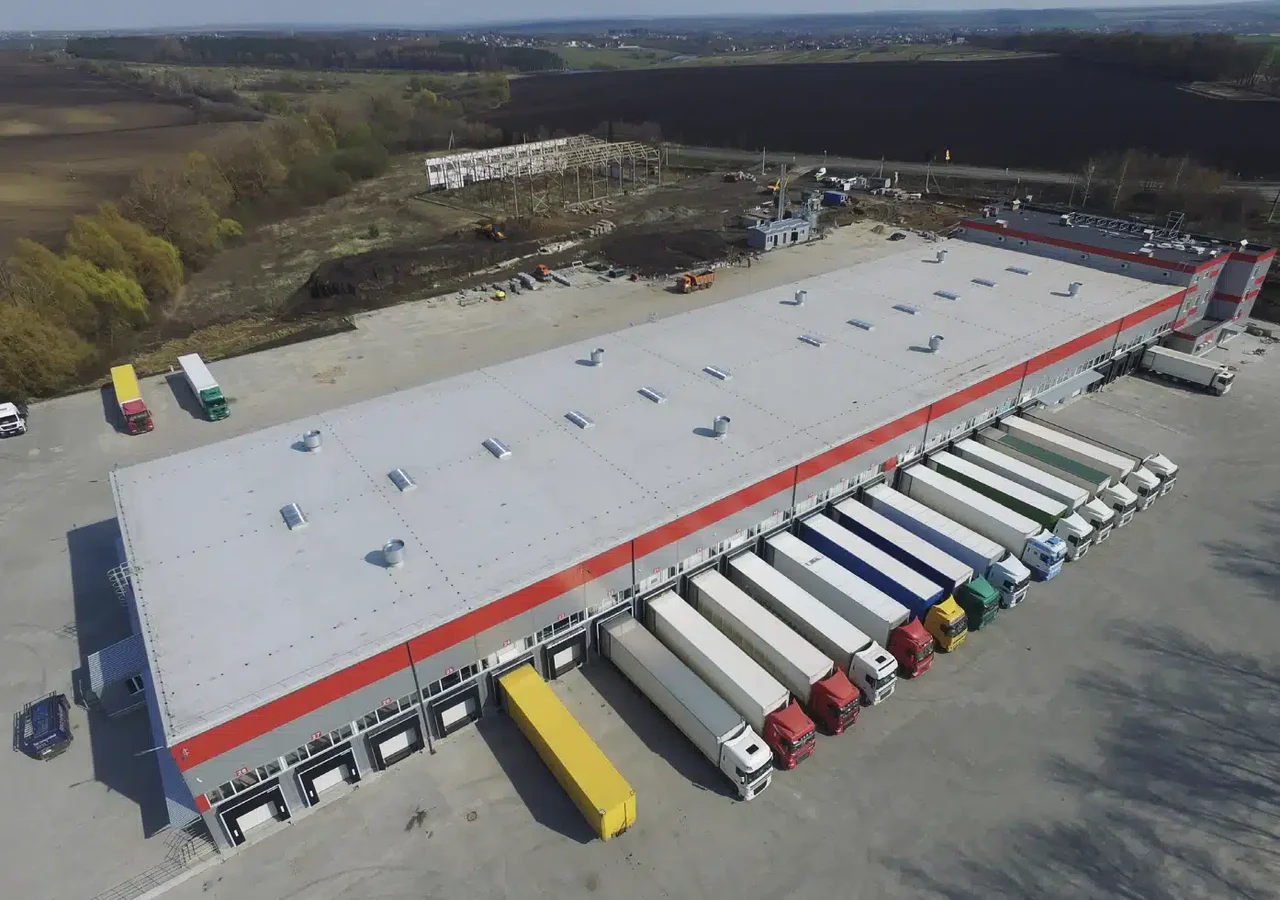
Warehouses and distribution centers manage large volumes of inventory, making them attractive targets for theft and unauthorized access. These facilities often feature expansive loading bays, service doors, and wide entry points that require a different approach to security, frequently supported by commercial motor operators for efficient daily operation. Industrial security shutters are commonly used in these settings because they are designed to protect large openings and withstand substantial force.
Built for demanding environments, industrial shutters focus on strength and durability rather than appearance. Their construction supports continuous use in high-traffic areas while providing a strong barrier against forced entry. Unlike retail shutters, which may balance visibility and design, industrial shutters prioritize structural integrity to secure the flow of goods and protect operational assets across the entire facility.
The differing needs of retail and warehouse environments highlight why distinct shutter solutions are used for each.
Building Areas That Most Often Require Commercial Security Shutters
The layout of a building and the way a business operates both play an important role in determining where commercial security shutters are most effective. Every property has access points that can be vulnerable if left unprotected, particularly those that face public areas or provide direct entry into the space. Front-facing doors and large display windows are often the first areas to consider, as they are highly visible and commonly targeted. Securing these primary access points establishes a strong foundation for an overall security approach.
However, effective protection goes beyond what is immediately visible. Service entrances, rear doors, and loading docks can present equal risk, especially since these areas often see less foot traffic and limited oversight. Commercial roll-up security shutters provide a flexible solution for securing openings of various sizes and locations, allowing businesses to reinforce both public-facing and operational areas. By addressing front and back access points together, businesses can create a more complete and balanced security setup.
For additional insight into the risks these systems help reduce, read our related post, What Problems Do Commercial Security Shutters Prevent?
Entrances and Display Areas Secured With Commercial Roller Shutters
Main entrances and display areas serve as both a visual introduction to a business and a primary access point that requires reliable protection, often supported by dependable commercial door service to keep systems operating smoothly. Commercial roller shutters offer a practical way to secure these spaces without disrupting the appearance of the storefront. Installed over glass doors and large windows, they form a strong barrier after hours while remaining discreet during business operations, retracting fully to keep the space open and welcoming to customers.
Modern roller shutter designs support both security and presentation. Options that allow partial visibility can maintain natural light and showcase interior displays even when the business is closed, which helps deter unwanted activity while preserving visibility. This balance allows businesses to protect high-exposure areas without creating a closed or uninviting appearance during the day.
Commercial security roll-up shutters are most commonly installed in areas that experience frequent use or direct public access, including:
- Main entrance and exit doors
- Large storefront display windows
- Customer-facing pharmacy counters
- Interior doorways leading to inventory or storage areas
By reinforcing these high-visibility and high-traffic areas, businesses can better protect their most accessible assets while maintaining a professional and approachable storefront.
Service Doors and Loading Areas Using Commercial Roll Up Security Shutters
While storefronts often receive the most attention, the rear areas of commercial properties play an equally important role in overall security. Service doors, employee access points, and loading docks are typically located in less visible areas, which can make them attractive targets for unauthorized entry. Roll-up security shutters provide a strong and reliable solution for protecting these openings, forming a durable barrier that helps prevent unwanted access while also shielding the interior from weather exposure. Built to fit a wide range of door and opening sizes, including large loading bays, these shutters are designed to withstand impact and challenging conditions without interfering with daily operations. Their ease of use supports efficient movement in high-traffic work areas, allowing staff to manage deliveries and access points smoothly while maintaining a secure environment that protects both the building and the activities inside.
Security shutters play an important role in protecting commercial properties, and understanding where they are most needed within a building helps shape a stronger security approach. From retail storefronts to warehouses and service areas, these shutters provide dependable protection in spaces that face higher exposure to risk. Metal security shutters act as solid barriers against theft and property damage while also supporting the safety of employees and on-site assets. By reinforcing vulnerable access points, businesses can take a more proactive view of long-term security, creating a safer environment that supports daily operations and offers greater peace of mind for everyone involved.
For businesses looking to take the next step, R&S Overhead Garage Door, Inc. offers experience and insight in commercial security solutions designed to match real-world operational needs. Our team understands how different industries use security shutters and can help identify options that align with building layouts and risk areas. If you’re ready to strengthen your property’s protection with confidence, contact us today or give us a call to discuss your commercial security needs.
Frequently Asked Questions
Are Metal Security Shutters Suitable for Different Commercial Property Types?
Metal security shutters are well-suited for a wide range of commercial properties. Their strength makes them a practical choice for industrial environments that require higher levels of protection, while their adaptability also allows them to work well in retail settings. With options that balance visibility and security, these shutters can meet different operational and aesthetic needs without compromising protection.
What Kind of Ongoing Care Do Metal Security Shutters Typically Require in Commercial Settings?
Metal security shutters are designed for long-term use in demanding environments. Periodic attention helps ensure smooth operation and consistent performance over time. Basic upkeep focuses on keeping moving components clear and confirming that the system continues to open and close as intended, which supports reliability and extends overall service life.
Can Commercial Security Shutters Be Made to Fit Different Door and Window Openings?
Commercial security shutters can be sized to fit a wide range of openings, from small service windows to large loading bays. Each installation is based on the dimensions of the space, allowing shutters to align properly with the building layout. This flexibility makes them suitable for both customer-facing areas and operational access points throughout a property.
What Are Commercial Roller Shutters and Where Are They Commonly Used?
Commercial roller shutters are protective barriers made of interlocking slats that roll neatly into a compact housing above an opening, allowing businesses to secure access points without permanently obstructing the space. They are commonly installed on storefront windows, entrance doors, service counters, and warehouse access points, where they provide dependable protection when closed and remain discreet when not in use. For additional insight into how roller shutters are selected and evaluated in commercial settings, this overview from Medium offers helpful context around key considerations.
How Do Commercial Security Shutters Compare to Overhead Doors in Business Environments?
Commercial security shutters and overhead doors serve different purposes. Overhead doors typically function as primary entry points, while security shutters act as an added layer of protection over doors and windows. Shutters are often used where space, layout, or design makes overhead doors impractical, offering flexible security without replacing existing access systems.
Where Are Commercial Roll-Up Security Shutters Most Often Installed Within a Building?
Commercial roll-up security shutters are most often installed at primary access points such as entrance doors, storefront windows, and customer service areas. They are also commonly used at rear service doors and loading docks, where visibility is limited, and security risks may be higher. Their versatility allows them to protect both public-facing and operational areas.
Why Are Industrial Security Shutters Common in Warehouses and Distribution Facilities?
Industrial security shutters are widely used in warehouses and distribution centers because these facilities contain large openings and high-value inventory. Designed to cover wide spans and withstand heavy impact, they provide dependable protection against unauthorized access and environmental exposure, making them well-suited for large-scale operations.
How Do Commercial Roller Shutters Help Protect Storefront Openings After Hours?
After hours, commercial roller shutters form a strong physical barrier over storefront doors and windows. Their presence discourages forced entry and reduces the risk of property damage. When secured, they significantly limit access to vulnerable openings, helping protect the business during periods when the property is unattended.
What Role Do Security Shutters for Businesses Play in Controlling Access Points?
Security shutters allow businesses to control when and where access is permitted, making it easier to manage movement throughout a property during and after operating hours. By closing off specific entry points, they help limit access to sensitive areas such as storage rooms or customer-facing spaces without interfering with daily workflows. For a broader look at how rolling shutter doors support building security, this article from Vocal provides additional perspective on their role in access control and protection.
What Separates Industrial Security Shutters From Standard Commercial Security Shutters?
Industrial security shutters are built for environments that demand maximum strength and coverage, often using reinforced materials to protect large openings. Standard commercial security shutters also provide strong protection but are typically designed with greater emphasis on appearance and adaptability for storefronts and offices. The difference lies mainly in scale, reinforcement, and intended use.
-
How Do Commercial Security Shutters Protect Buildings?
Published January 13, 2026In business, keeping everything safe is a top priority. Protecting your property, company assets, and... Continue Reading
-
What Are Commercial Security Shutters Used For?
Published January 13, 2026For any business owner, protecting the property is a fundamental concern. Security plays a direct... Continue Reading
-
What Problems Do Commercial Security Shutters Prevent?
Published January 12, 2026As a business owner, keeping your commercial property safe over the long term requires more... Continue Reading